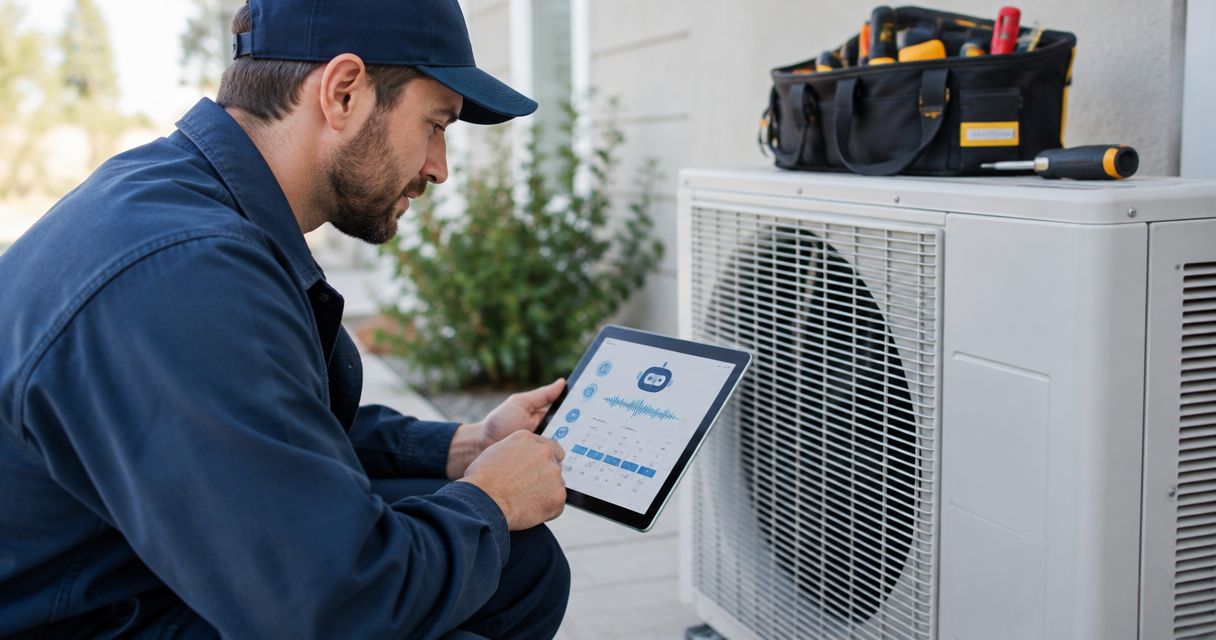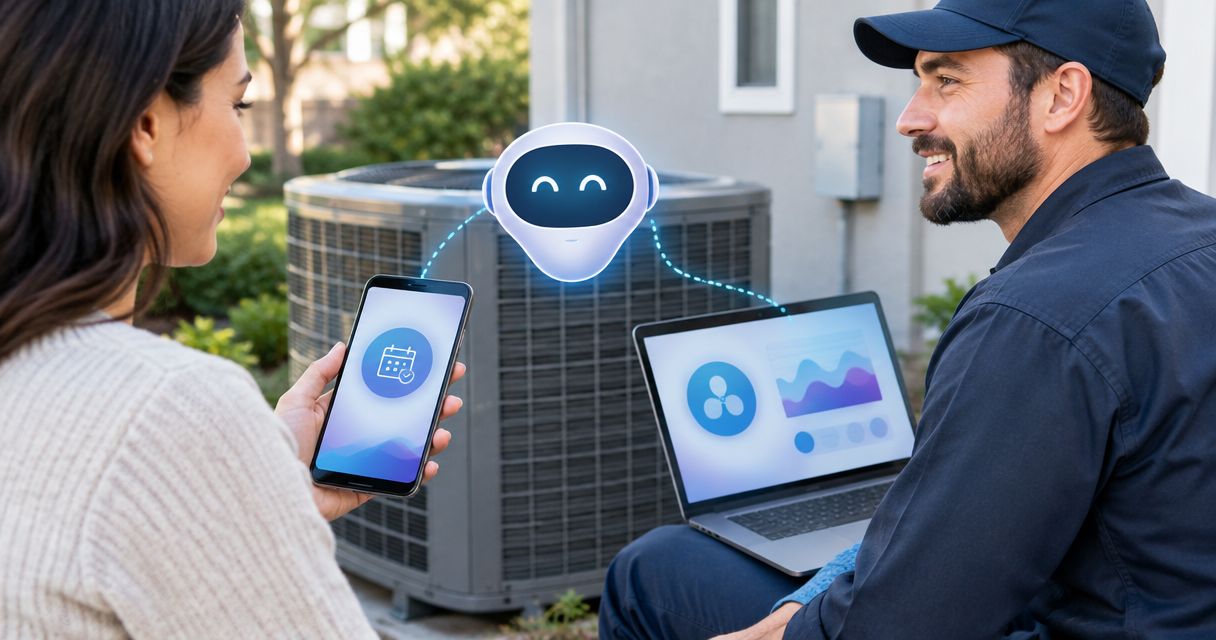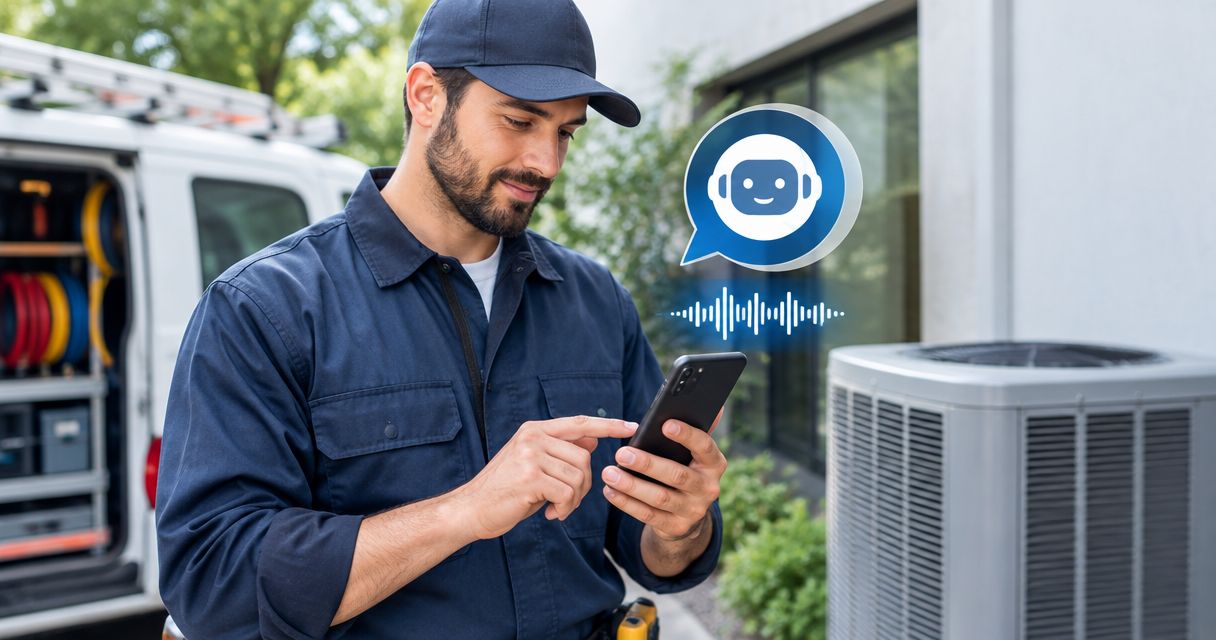

Yes—an AI receptionist can handle emergency HVAC calls at 2 a.m. by collecting details, applying approved routing rules, and requesting a human response when configured to do so. It cannot make an unsafe property safe, diagnose equipment reliably over a call, or guarantee that a technician will attend; answering the call is not the same as dispatching help.
- AI receptionist emergency HVAC calls need safety screening, clear escalation rules, and a human fallback—not just appointment booking.
- RelayKite is best for U.S. HVAC businesses seeking managed lead response and appointment setting, not a substitute for emergency responders.
- At 2 a.m., distinguish an appointment request, an escalation request, and confirmed technician attendance.
- Test failed transfers and unanswered alerts before treating after-hours call answering as emergency coverage.
Why this matters
A homeowner reporting no heat needs a different response from someone reporting a gas smell. Both can describe the situation as an emergency. Your call-handling process must separate service urgency from immediate danger without asking software to make a safety diagnosis.
For your 2026 operating plan, define emergency coverage by what happens after the phone is answered. A polite conversation does not establish that someone accepted the job. If you are comparing providers, use this distinction when reviewing answering services for emergency HVAC calls.
Can an AI receptionist handle emergency HVAC calls at 2am?
Yes, within a defined intake and escalation role—not as an autonomous emergency dispatcher. The appropriate workflow collects the caller's information, recognizes situations covered by your safety script, and routes the request according to your actual overnight staffing.
Use the following sequence as a configuration checklist, not as a claim that every answering service includes these capabilities.
- Safety screening. Ask whether the caller is reporting an immediate hazard before moving into routine scheduling. A report of a gas smell, smoke, fire, or a carbon monoxide alarm belongs in a safety-first path.
- Caller details. Capture the callback number, service address, and the problem in the caller's own words. Confirm the details rather than relying on an unverified transcript.
- Service eligibility. Apply your approved service-area and job-type rules. Do not offer emergency attendance where your business does not provide it.
- Human escalation. Contact the designated on-call person through the configured route. An attempted contact must not be described as an accepted job.
- Status confirmation. Tell the caller exactly what happened: a request was recorded, a person was contacted, or an appointment was confirmed. Keep those outcomes separate.
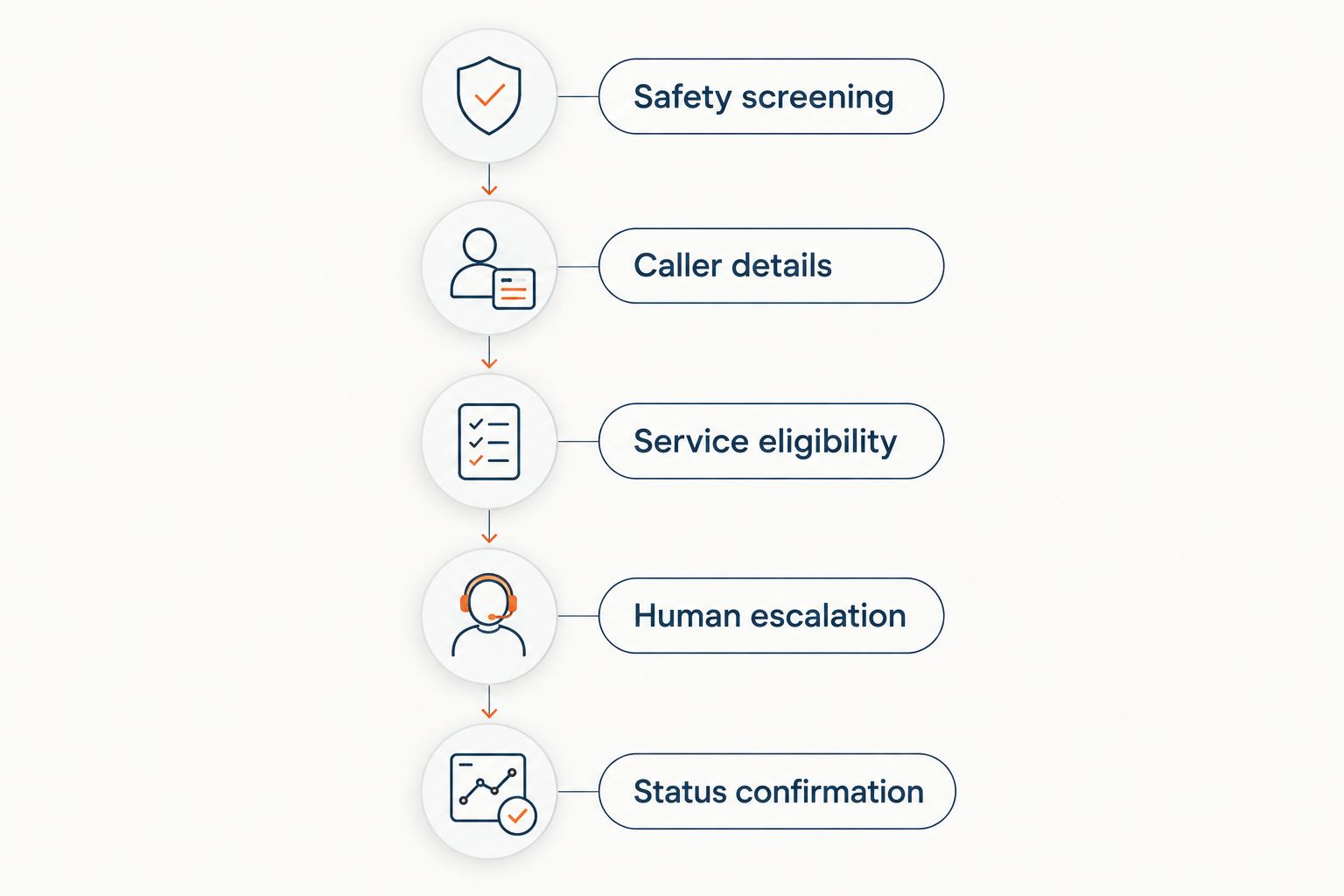
An overnight workflow needs an explicit failure path as well. If the on-call person does not respond, the receptionist should follow the approved fallback and explain the unresolved status. Silence from a technician is not permission to promise arrival.
Match the response to the call
Do not use the word emergency as the only routing rule. Ask what the caller is reporting, then follow a written decision path that your business has approved.
| Call situation | Best for | Appropriate receptionist role | Benefit | Limitation |
|---|---|---|---|---|
| Suspected immediate danger | Safety-first routing | Give approved emergency instructions and avoid routine troubleshooting | Keeps booking questions from delaying safety action | Cannot assess whether the property is safe |
| Urgent fault without a reported hazard | On-call escalation | Collect details and request a human decision | Gives the on-call person useful intake information | Does not establish technician attendance |
| Routine service request overnight | Appointment intake | Record the request or book only within authorized scheduling rules | Lets the customer take a next step outside office hours | A calendar slot is not an emergency dispatch commitment |
| Unclear or conflicting information | Human review | Stop unsupported advice and escalate uncertainty | Avoids forcing an ambiguous call into a routine category | Depends on a reachable human fallback |
These are proposed operating rules, not diagnoses. An absence of reported danger does not prove that a situation is safe, and an automated conversation should not make that assurance.
For 2026, review the wording attached to each outcome as carefully as the routing itself. A caller who hears that help is on the way should have a confirmed basis for believing it.
What should happen when the caller reports danger?
Safety instructions take priority over lead qualification. A suspected gas leak, fire, or carbon monoxide emergency should not become a sales conversation or an equipment troubleshooting session.
For suspected immediate danger in the United States, the approved script should direct the caller to leave the affected area and contact 911 or the appropriate emergency utility service from a safe location. Do not make completion of an HVAC intake form a prerequisite for seeking emergency help.
The receptionist should not instruct the caller to open equipment, bypass a safety control, relight an appliance, or stay inside to collect model information. Those tasks are outside an intake role and can distract from the immediate safety response.
Have a qualified person approve the script for the hazards your business encounters. Keep emergency instructions distinct from your service promise: contacting emergency responders does not confirm that your company has dispatched a technician.
What changes when nobody is on call?
An AI receptionist cannot create technician coverage that your business does not provide. If your overnight operation only accepts requests for later review, say that plainly before the caller interprets the conversation as emergency dispatch.
A useful fallback records the request, confirms the callback details, and states that attendance has not been arranged. It also follows the safety script when the caller reports immediate danger. Do not invent a response deadline to make the handoff sound complete.
Your 2026 call script should distinguish these outcomes:
- Request recorded: the business has received the information, but no appointment or attendance is confirmed.
- Escalation pending: the on-call contact has been notified, but has not accepted responsibility for the call.
- Attendance confirmed: an authorized person or approved dispatch process has confirmed the next step.
These labels describe operational states. Use them only when the underlying process can establish that the state is true.
Why emergency call handling varies
The quality of the response depends on the operating rules around the receptionist, not just the conversation. Review these factors before assigning emergency calls to any automated answering setup:
- Safety-script boundaries. Define which reported hazards stop ordinary scheduling and trigger emergency instructions. Keep diagnosis outside the receptionist's remit.
- Human coverage. Specify who receives urgent requests and what happens when that person cannot respond. An unanswered notification is an unfinished handoff.
- Service boundaries. Maintain approved rules for geography and the work your business accepts. Collecting an address is not enough if nobody checks eligibility.
- Booking authority. Decide whether the receptionist can confirm an appointment or only request one. Customer-facing language must match that authority.
- Handoff information. Give the receiving person the callback number, address, reported problem, and current status. Require confirmation of critical details.
- Failure handling. Define what the caller hears when a transfer fails, the connection drops, or the scheduling process cannot complete.
Buy answering capacity only after you have defined the escalation path. Otherwise, you are automating an unresolved operational decision.
Is managed lead response the same as emergency dispatch?
No. Managed lead response addresses inquiries, follow-up, and appointment setting; emergency dispatch requires a defined process for accepting urgent work and assigning attendance. Treat those as separate responsibilities when assessing a service.
RelayKite provides managed AI-powered lead response and appointment setting for U.S. HVAC businesses. That scope is relevant when you need help responding to prospects and booking service appointments. It does not, by itself, establish overnight voice coverage, emergency transfer capability, or technician dispatch authority.
The benefit is alignment with inquiry handling and appointment booking. The boundary is equally important: evaluate emergency-call requirements separately rather than inferring them from a lead-response service description. Ask which channels, escalation steps, and failure paths are included in your configuration before assigning urgent calls.
What should you test before enabling overnight calls?
Use a controlled rehearsal before allowing an answering workflow to represent your emergency coverage. These are acceptance checks for your setup, not published performance benchmarks or guarantees.
Run the checks against your 2026 staffing arrangements and scripts. The person reviewing the results should be able to compare what the caller heard with what actually happened.
Check the safety boundary
Present an illustrative call involving a gas smell or carbon monoxide alarm. Confirm that the workflow gives the approved safety response instead of continuing with routine booking questions. Do not use a real emergency as a test.
Check the failed handoff
Make the designated on-call contact unavailable during a controlled test. Confirm that the fallback activates and that the caller does not receive a false confirmation. Inspect the handoff record for the unresolved status.
Check the service boundary
Use an illustrative request outside your approved service area. Confirm that the workflow does not imply attendance and does not convert an ineligible request into a confirmed appointment.
Check misunderstood details
Correct an address or callback number during the conversation. Confirm that the final handoff contains the corrected information, not the earlier version. A completed conversation with the wrong callback number is not a usable intake.
Check the booking boundary
Ask for immediate attendance when only routine appointment intake is authorized. Confirm that the response explains the limit without presenting an appointment request as a technician commitment.
Check the final wording
Listen to the closing message. It should describe the actual status in plain language and leave the caller with an accurate next step. A successful test proves the configured path worked in that test—not that every future emergency will be handled correctly.
Can an AI receptionist diagnose an HVAC emergency over the phone?
No—an AI receptionist should collect reported symptoms and route the call, not declare equipment safe or make a definitive diagnosis. Your approved script should move uncertainty toward qualified human judgment, not fill the gap with improvised repair advice.
Keep intake questions focused on information needed for routing. Asking what the caller noticed is different from instructing the caller to inspect energized equipment or manipulate a fuel supply.
Does answering at 2 a.m. guarantee a technician will come?
No—answering at 2 a.m. confirms only that the call was answered. Technician attendance requires separate confirmation through your authorized staffing and dispatch process.
Make this distinction visible in your customer-facing language. Do not advertise emergency attendance when the overnight workflow only collects requests for later review.
FAQ
Can an AI receptionist handle emergency HVAC calls at 2am?
Yes, an AI receptionist can collect details and follow approved escalation rules at 2 a.m. when configured for that role. It cannot guarantee technician attendance or replace emergency responders.
What should an AI receptionist do if someone reports a gas smell?
The receptionist should prioritize the approved emergency safety script rather than routine booking. For suspected immediate danger, direct the caller to leave the affected area and contact emergency help from a safe location.
Can an AI receptionist promise that an HVAC technician is on the way?
Only a confirmed, authorized dispatch outcome supports that statement. Recording a request or sending an alert does not establish that a technician is on the way.
What happens if the on-call HVAC technician does not answer?
The workflow should follow a documented fallback and tell the caller that attendance remains unconfirmed. The exact fallback depends on your staffing and approved configuration.
Is an appointment confirmation the same as emergency dispatch?
No, an appointment confirmation and emergency dispatch are different outcomes. Your process must establish whether the booking represents an accepted urgent visit or a routine service appointment.
Does RelayKite provide emergency HVAC dispatch?
RelayKite is described as a managed lead-response and appointment-setting service for U.S. HVAC businesses. Confirm emergency-call handling and dispatch requirements separately rather than assuming they are included.
How should I test an AI receptionist before using it overnight?
Use controlled scenarios covering reported danger, failed handoffs, incorrect details, and requests outside your service rules. Compare the caller-facing message with the actual handoff and booking status.
One last thing
Test what happens when nobody answers—not just when everything works. For your 2026 launch review, let a controlled escalation fail and listen to the closing message. The most useful result is an accurate statement of the unresolved situation, not a reassuring sentence that promises help nobody has accepted.